News
Ocean Literacy in 2025: From Local Actions to Global Waves
Published
Dec 11, 2025
It’s been a landmark year for Ocean Literacy. Through public engagement through our dedicated Centre in Venice to global gatherings in Nice, policy shifts in Brazil, and new audiences in the digital biome of Minecraft, we’ve seen myriad ways that humanity can reconnect to the Ocean. We look back and celebrate ten pivotal moments that defined our year.
1. Opening of the SEA BEYOND Ocean Literacy Centre in Venice
In April, the island of San Servolo in Venice became home to Italy’s first space entirely dedicated to Ocean education: the SEA BEYOND Ocean Literacy Centre. A collaborative effort between the Intergovernmental Oceanographic Commission (IOC) of UNESCO and the Prada Group, the centre is a testament to the power of immersive learning. Co-designed by the IOC and CRA-Carlo Ratti Associati, the space features cutting-edge multimedia installations which transform complex scientific data into emotional, accessible narratives.
Visitors are guided through a journey that visualizes global Ocean currents, marine biodiversity, and the ecology of the Venice Lagoon. By blending science with art and design, the Centre represents a dynamic new hub for marine education, inspiring visitors to think of themselves as “Ocean citizens” by better understanding its vital role in our planetary system.
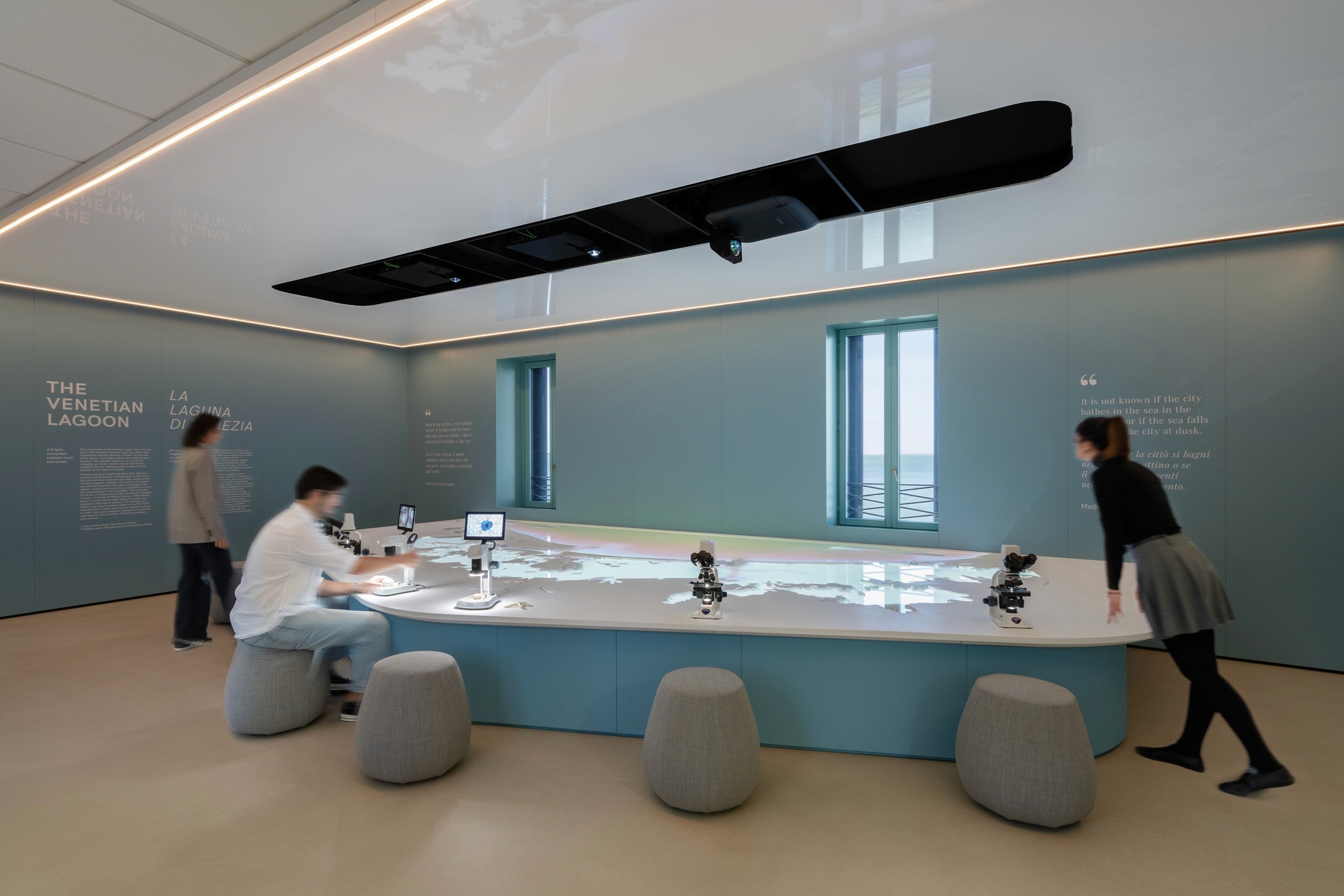
Photo: Marco Cappelletti
2. Ocean Literacy Takes Centre Stage at the 3rd UN Ocean Conference
In June, the world’s Ocean community gathered in Nice for the 3rd UN Ocean Conference (UNOC3), and Ocean Literacy was a greater part of the conversation than previous conferences, with a dedicated side event in the Blue Zone. Meanwhile, in the Green Zone, the "Beyond Borders: Ocean Futures" pavilion, hosted in partnership with the French Biodiversity Agency (OFB) and Italy’s National Research Council (CNR-ISMAR), welcomed over 100,000 visitors.
The pavilion hosted over 100 events, showcasing the collective power of education and science. It highlighted that while the Ocean is our greatest climate ally, SDG14 remains critically underfunded. The pavilion reinforced the message that Ocean Literacy is a necessary accelerator for sustainable development.
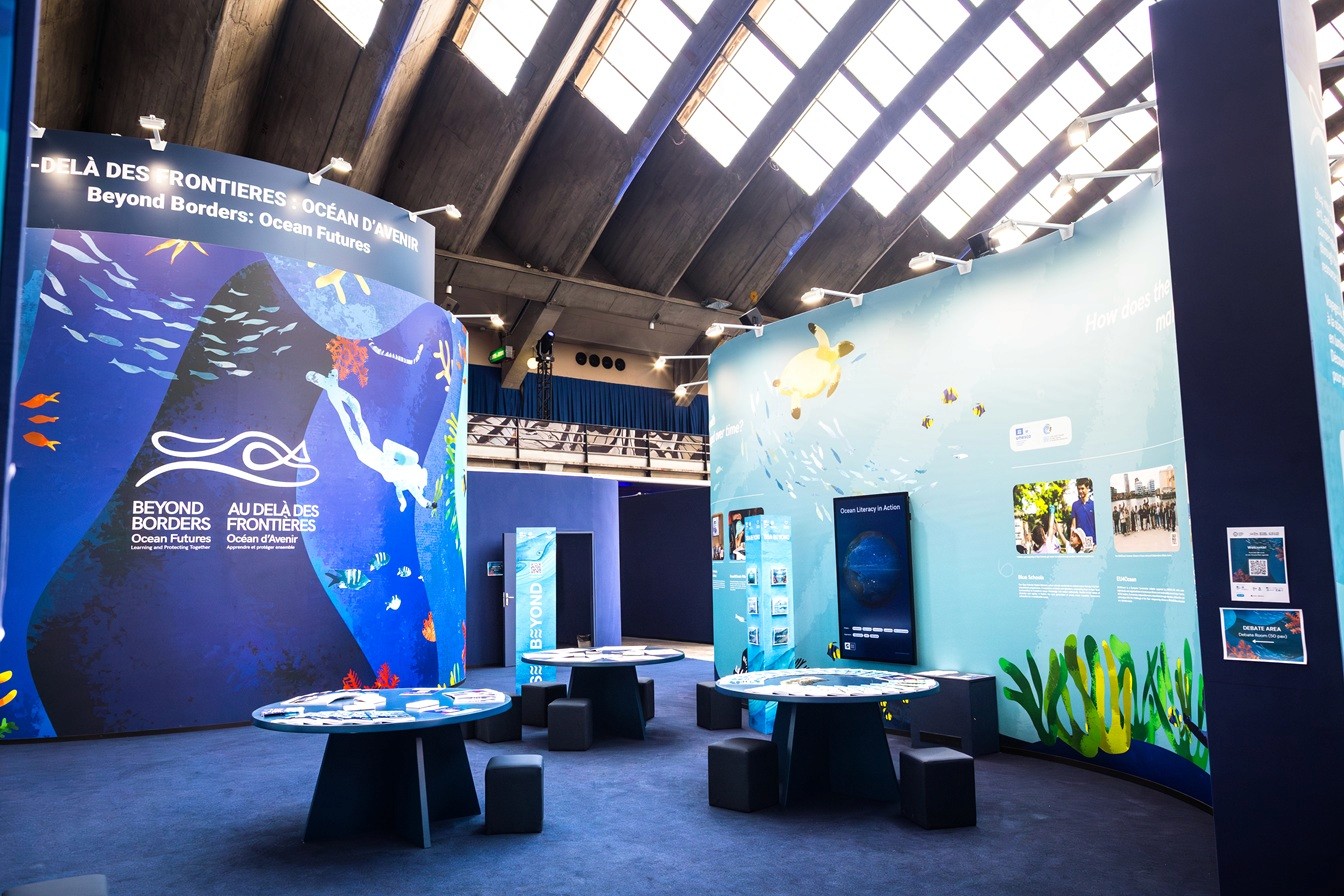
Photo: Morgan Mathruin
3. Brazil Champions the Blue Curriculum
In a historic move for global Ocean education, Brazil became the first country in the world recognized by UNESCO as formally committing to include Ocean Literacy in its national school curriculum. This Blue Curriculum initiative, launched in April, integrates Ocean topics into the national education system, adapting global challenges to local Brazilian realities across coastal and inland communities.
This bold policy leadership was recognized internationally in December when the project won the prestigious Prêmio Espírito Público 2025 (Public Spirit Award) in the Education category. Selected by experts and public vote, the award validates a model where schools co-construct learning pathways. Brazil’s success serves as a powerful case study for other nations, proving that public policy can effectively champion sustainability and place the Ocean at the heart of education.
4. Minecraft Ocean Heroes: Gamifying Conservation
We also engaged younger generations with the launch of Ocean Heroes, a new Minecraft Education experience developed by Shapescape with the IOC and Voice of the Ocean. This immersive game world allows students to explore underwater biomes, tackle ecological challenges like coral bleaching and mangrove restoration, and see the direct impact of their actions on the virtual environment.
The response has been phenomenal, with over 1 million downloads across 176 countries. With an average playtime of nearly 15 minutes and a 4.1/5 rating, it proves that gaming is a powerful tool for empathy and agency. By turning players into virtual conservationists, Ocean Heroes helps build real-world Ocean Literacy, proving that screen time can also be green time!
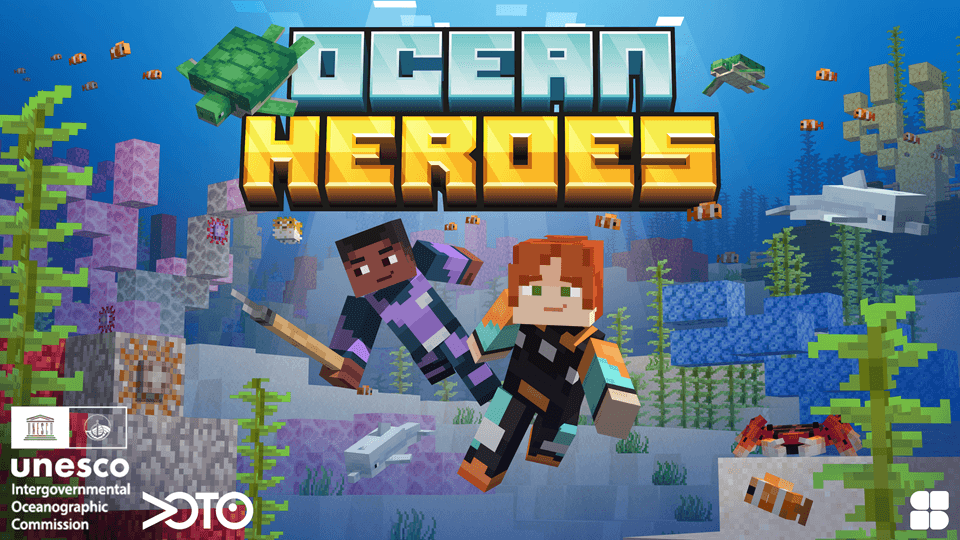
Image: Shapescape
5. Launch of the New Education Policy Brief
As systemic change starts in the classroom, the IOC launched a critical new publication in April: Promoting Ocean Literacy – An Education Policy Brief. This document addresses a stark reality: despite the Ocean's importance, it remains scarce in national curricula worldwide, often relegated to broad environmental terms without specific focus.
The policy brief is a call to action for policymakers, curriculum developers, and educators, providing a roadmap for the integration of Ocean content across all subjects, from natural sciences to social studies. By advocating for a Blue Curriculum, the brief lays the groundwork for education systems that empower students with a deeper scientific and cultural understanding of the Ocean: an indispensable tool for navigating complex global challenges like climate change and biodiversity loss.
6. Dieci Storie Blu: Bringing Marine Science to Life
June saw the release of Dieci Storie Blu" (Ten Blue Stories), a collection of tales bridging the gap between marine science and the classroom through the enchanting stories of the researchers themselves.
Each story offers a glimpse into the life of a researcher, capturing the thrill of fieldwork, from the discovery of new species to the challenges of diving. By humanizing science, Dieci Storie Blu shows children how careers in marine science are driven by curiosity, creativity, and a passion for protecting our blue planet, planting the seeds for the next generation of Oceanographers and conservationists.
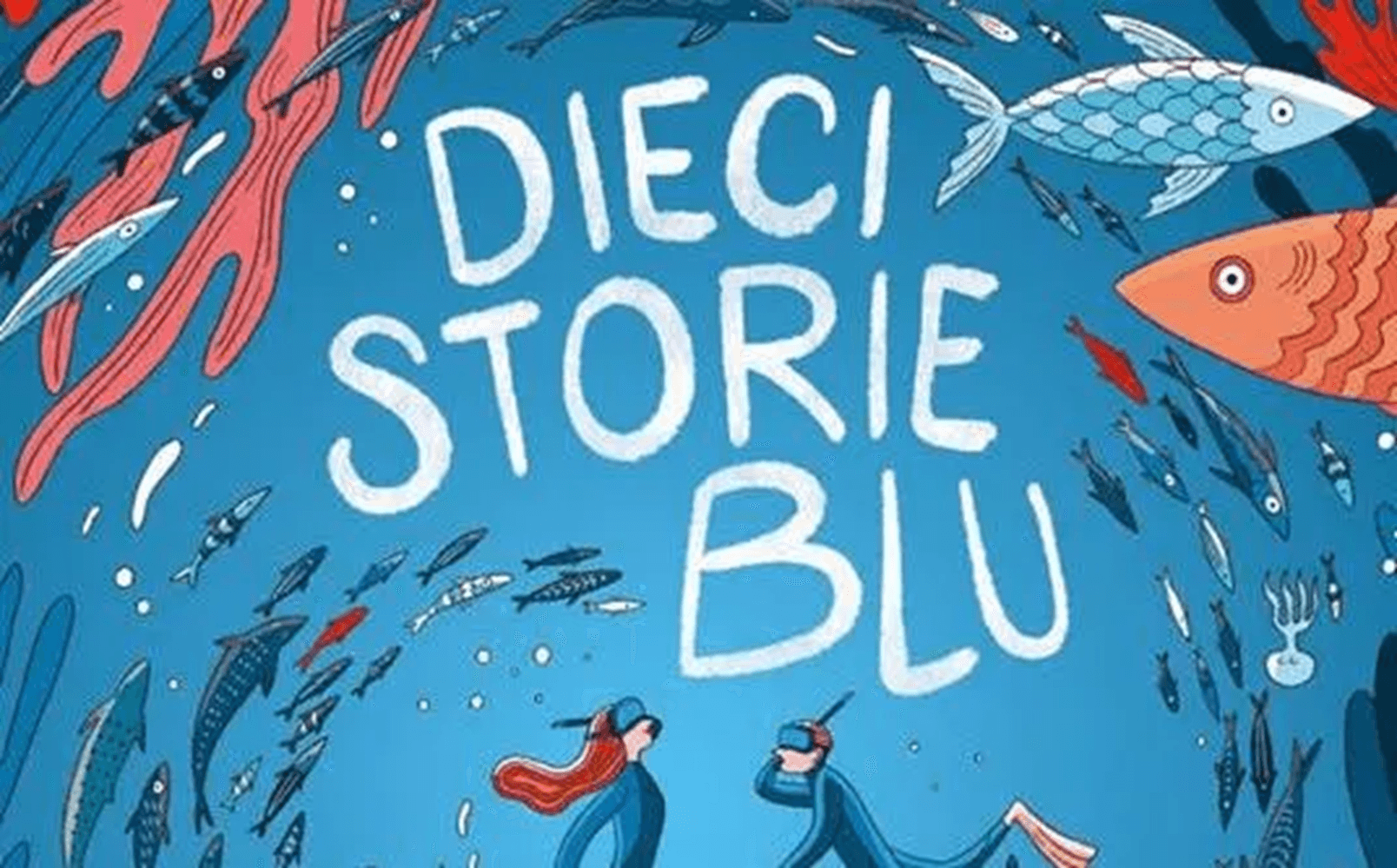
Image: Battello a Vapore
7. Publication of the Blue School Global Network Toolkit
To support the rapidly growing network of schools committed to Ocean education, we launched the Blue School Global Network Toolkit. This comprehensive guide is an operational manual for the global movement of Blue Schools, designed to help educators and network coordinators to incorporate Ocean Literacy in their educational frameworks.
The toolkit outlines the essential criteria for becoming a Blue School, emphasizing interdisciplinary learning, student engagement, and community partnerships. It provides practical resources for teachers to move beyond theory and into action, from citizen science projects to sustainable school policies. It also serves as a guide for National Coordinators to establish and manage regional networks, ensuring that the Blue School model is adaptable and scalable in diverse cultural contexts.
8. Strengthening our Partnership with Prada Group
Our collaboration with the Prada Group was renewed in June with the signing of the SEA BEYOND Multi-Partner Trust Fund for Connecting People and Ocean. Announced at UNOC3, the fund is the first of its kind dedicated to supporting projects that integrate Ocean science, culture, and education.
This mechanism allows us to mobilize resources more effectively to support youth-led initiatives and educational programs worldwide and represents a long-term shared commitment to restoring the relationship between humanity and the Ocean. By facilitating diverse partnerships, the Multi-Partner Trust Fund will work to foster Ocean Literacy projects capable of driving cultural and policy shifts on a global scale.
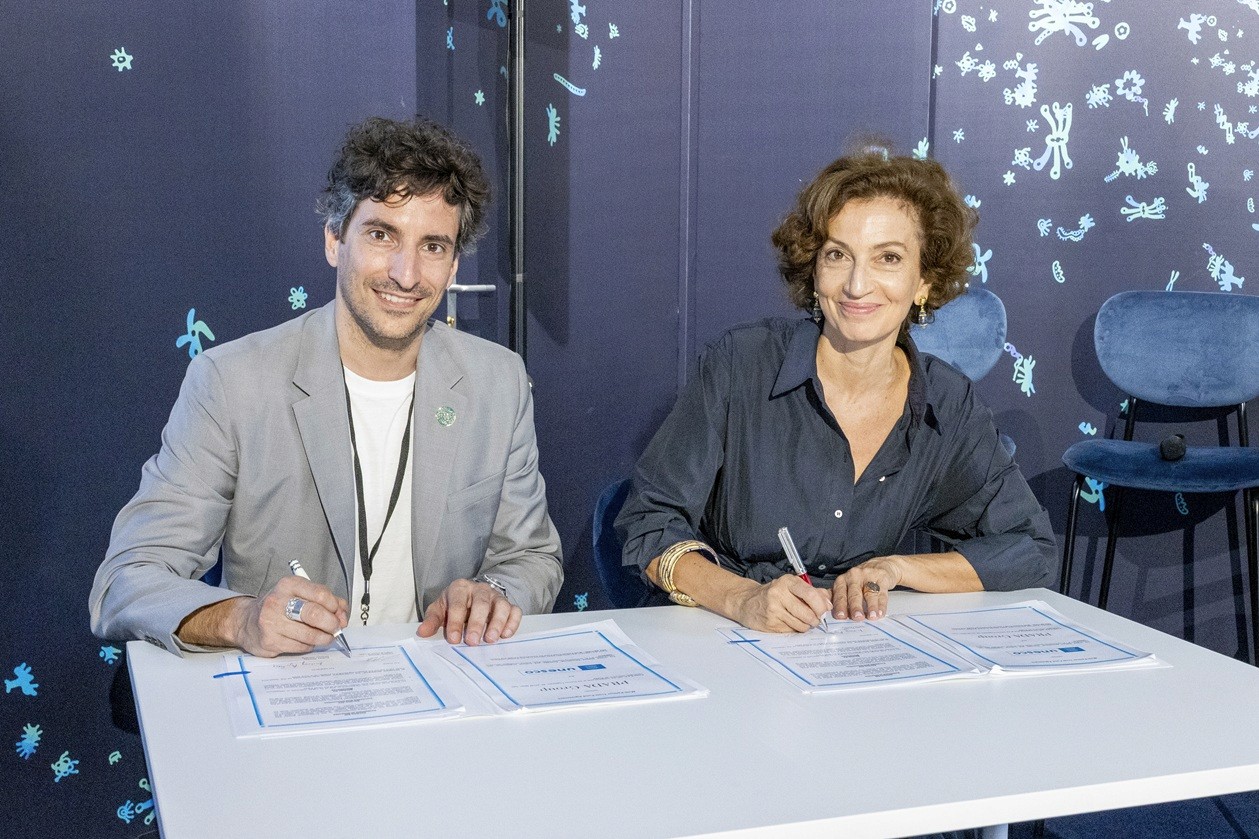
Photo: Prada Group
9. Connecting People and Ocean Webinar Series
Throughout the year, the "Connecting People and Ocean" webinar series provided a vital digital platform to explore pressing Ocean issues. The series kicked off in February with a focus on "Coastal Cities and Climate Change Adaptation," exploring how urban centres can build resilience against rising seas.
In May, the second edition of the series gathered global experts to discuss the roadmap for restoring society’s relationship with the Ocean. The series concluded in November with a session on "The Law of the Sea and Ocean Governance," examining the evolving legal frameworks, such as the Rights of Nature, that are reshaping how we protect marine ecosystems. You can watch them all again in four languages at our resources page!
10. Resilient Shores: Uniting Intelligence for Coastal Futures
In October, the Resilient Shores event at the Biennale di Venezia brought together a mix of climate scientists, architects, and urban planners for a two-day workshop on how three forms of intelligence can converge to protect our coastlines: Natural (nature-based solutions), Artificial (AI and digital twins), and Collective (community wisdom).
A key outcome was the development of the Coastal Resilience ECOPs Worldwide (CREW) project, a new initiative to mobilize early-career professionals as facilitators of community-based climate action. This forward-looking, transdisciplinary event underscored that real resilience requires more than just innovative architecture, but a cultural shift from extraction to regeneration.
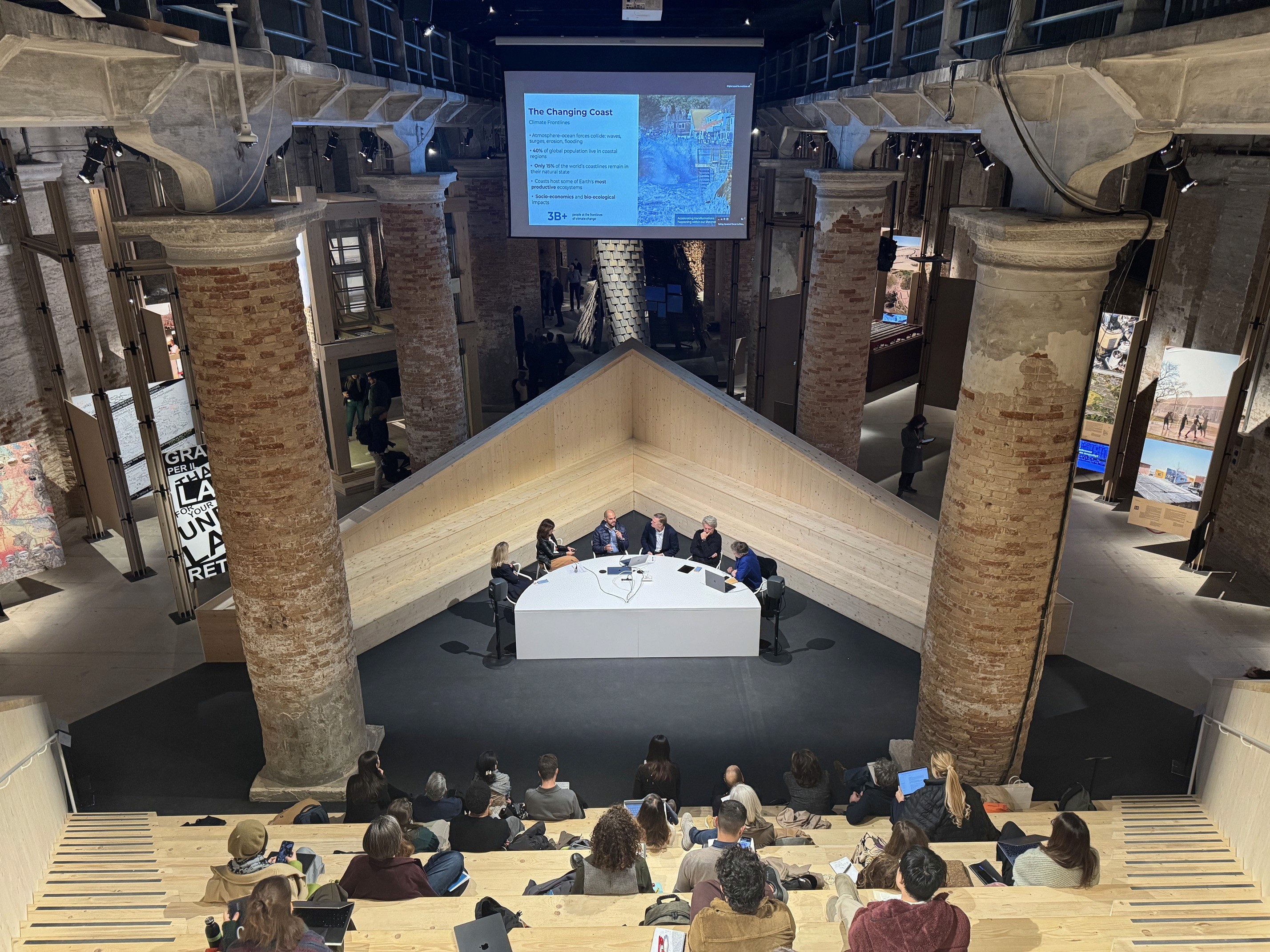
Photo: IOC