Blue School Global Network
About the Blue School Global Network
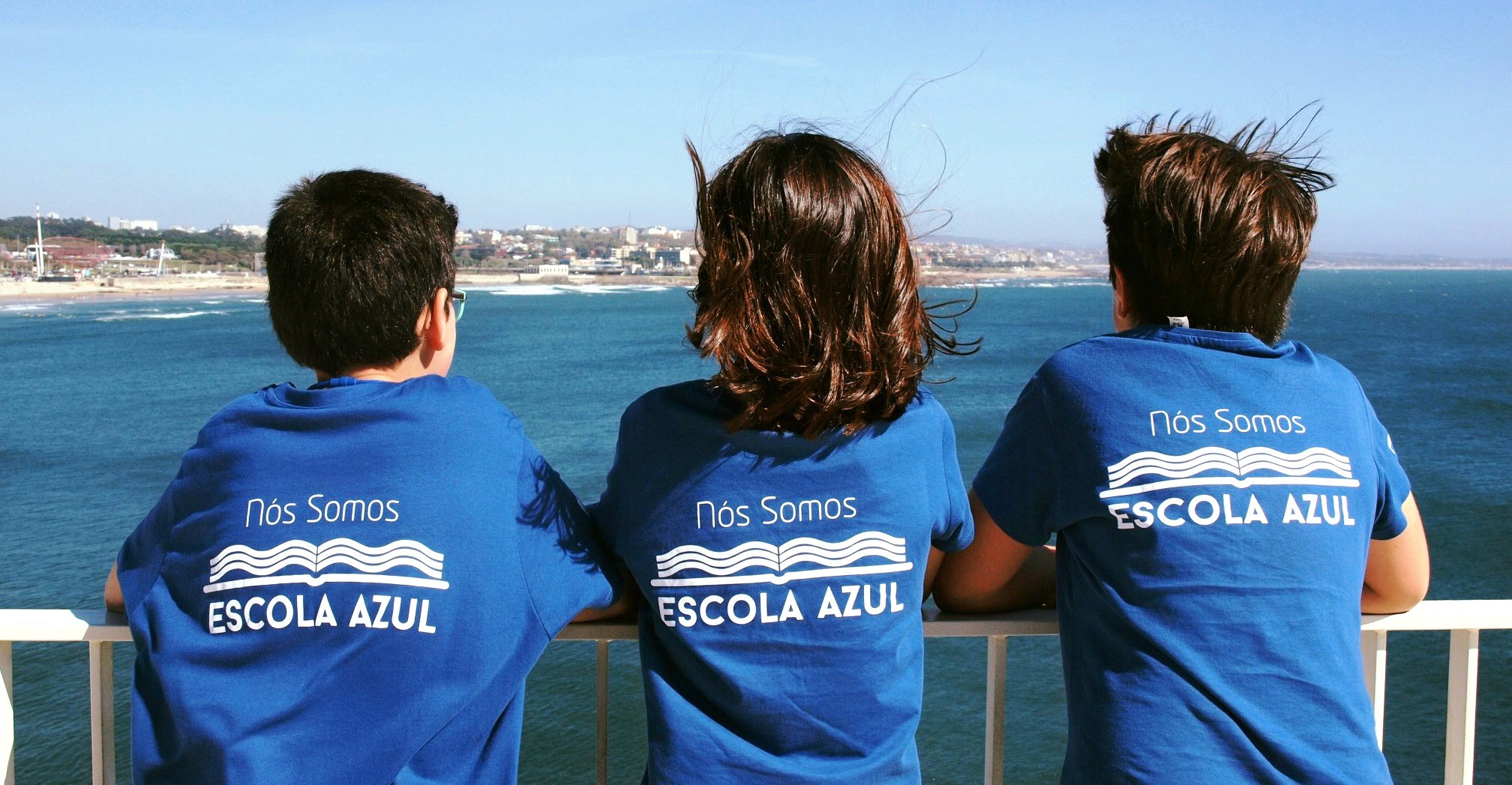
The Blue School Global Network (BSGN), coordinated by UNESCO’s Intergovernmental Oceanographic Commission (IOC), is a global initiative that seeks to advance Ocean Literacy across education systems worldwide and strengthen society’s relationship with the ocean. The network promotes an interdisciplinary and participatory approach to education, encouraging schools to connect ocean-related themes with science, culture, sustainability, citizenship, and local realities.
Its main objective is to empower students, teachers, and communities to become informed and active ocean stewards through hands-on learning, collaboration, and community engagement.
Flexible frameworks
Structured yet flexible frameworks that integrate Ocean Literacy across the whole school ecosystem — curricula, community engagement, sustainability practices and active citizenship.
Active citizenship
Support students and teachers to understand ocean sustainability challenges and take meaningful action in their communities.
Experiential learning
Encourage interdisciplinary and experiential learning that connects subjects, students and communities.
Partnerships
Build partnerships between schools, communities, researchers, NGOs, governance and the blue economy sector.
International collaboration
Facilitate international collaboration, knowledge exchange and resource sharing across diverse cultural and educational contexts.
Ocean responsibility
Promote ocean responsibility, participation and sustainability at every level of school life.
Mid-2010s — The idea takes shape
The idea of Blue Schools begins to circulate through international discussions within the European Marine Science Educators Association (EMSEA) and the Sea Change project, recognising the need to bring Ocean Literacy more systematically into schools.
2017 — First national programme in Portugal
The structured Blue School concept — its educational model, criteria and implementation approach — is first developed in Portugal. The national programme launches with the support of the Ministry of the Sea, establishing a framework for Ocean Literacy in formal education.
European expansion
The model informs the creation of the Network of European Blue Schools, extending interdisciplinary, project-based and community-oriented learning across Europe.
Atlantic expansion
The All-Atlantic Blue Schools Network connects schools on both sides of the Atlantic, deepening cooperation between regions and cultures.
Today — A global network
The Blue School Global Network (BSGN), coordinated by UNESCO-IOC, supports Blue Schools across multiple regions of the world — locally adapted, yet connected by shared educational principles.

The Global Governance Board sets the strategic direction of the network, safeguards its shared educational principles, and oversees international cooperation. Regional Coordination teams adapt the programme to local contexts, support schools in their region, and connect national activities with the global network.
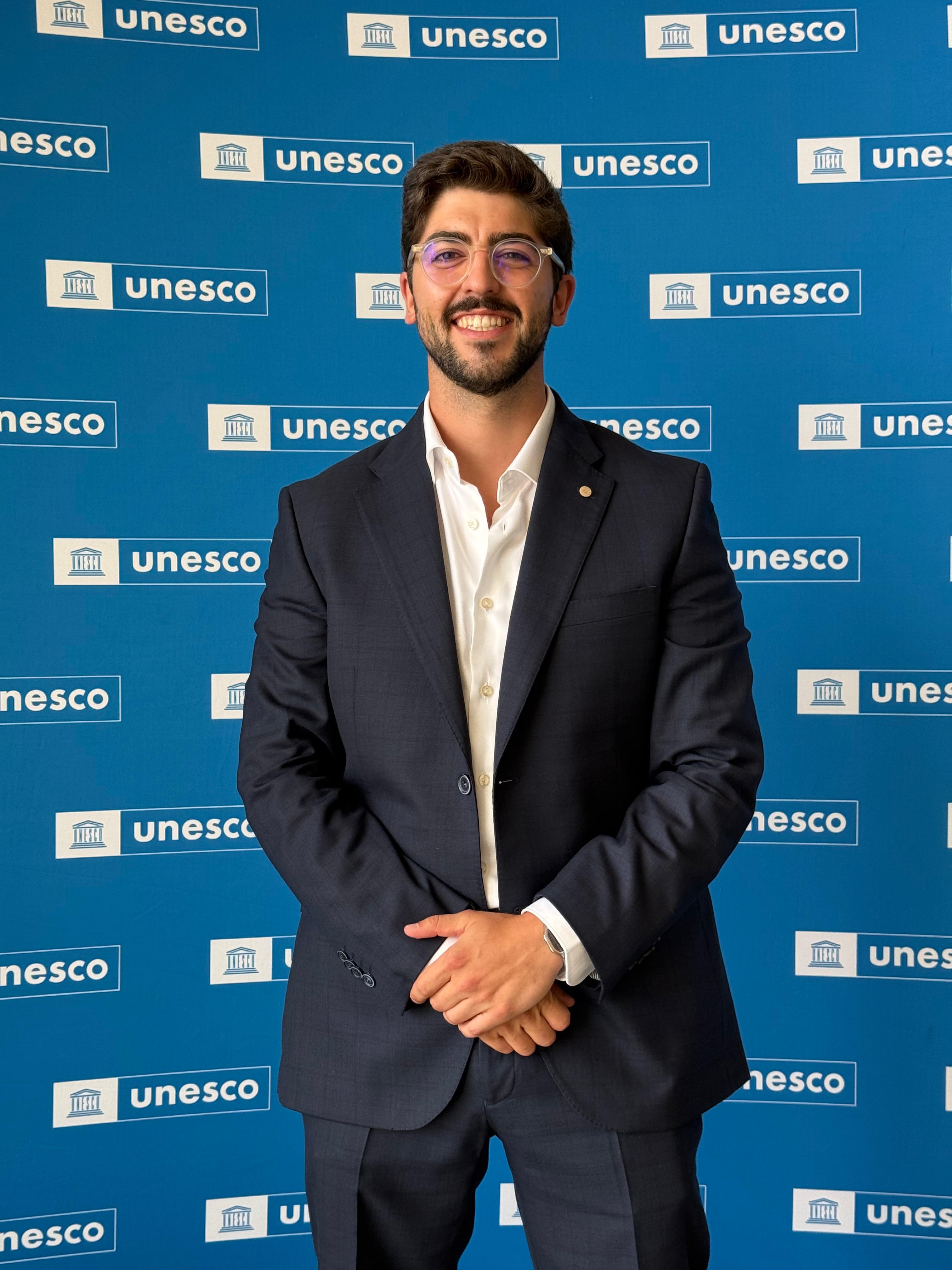
Bernardo Reduto Leal
Governance Board
b.reduto-leal@unesco.org

Raquel Lorenz Costa
Governance Board
r.lorenz-costa@unesco.org
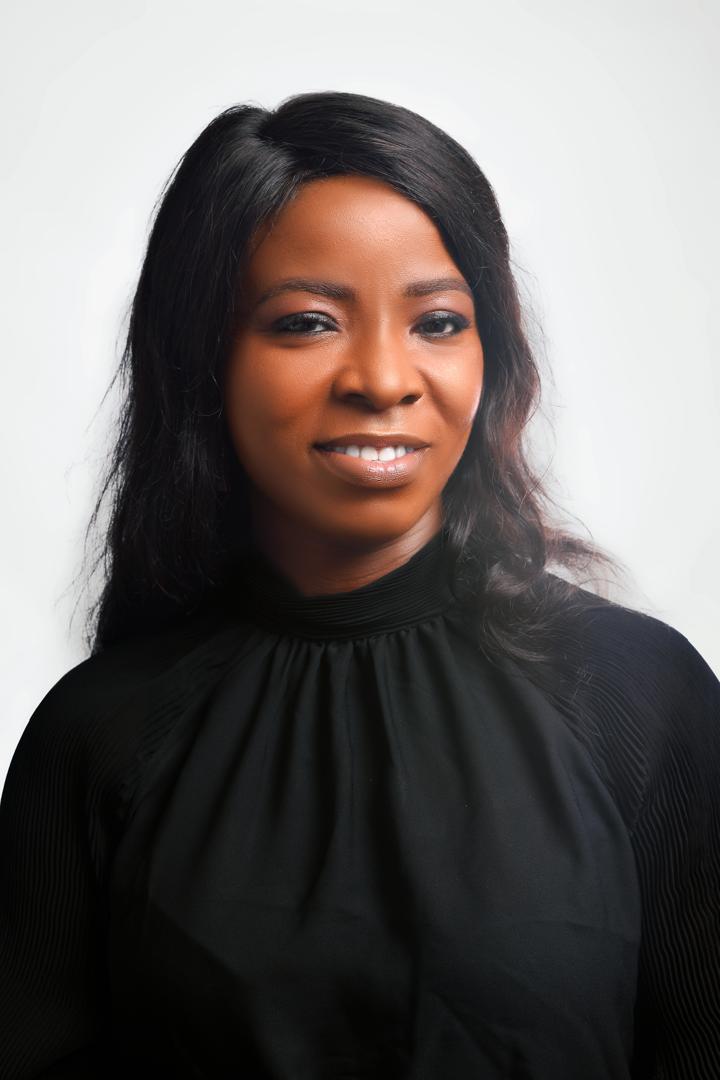

Stephanie Nzeke Waniko & Edwin Mwashinga
Regional Coordinators — Africa
Stephanie Nzeke Waniko stephawo@yahoo.com
Edwin Mwashinga e.mwashinga@unesco.org



Paola Diaz, Meghan Marrero & Camila Keiko Takahashi
Regional Coordinators — Americas
Paola Diaz (Caribbean) p.diaz@unesco.org
Meghan Marrero (North America)
mmarreo3@mercy.edu
Camila Keiko Takahashi (South America) maredeciencia@gmail.com

Shweta Khare Naik
Regional Coordinator — Indo-Pacific
tigershweta@gmail.com
Dominika Wojcieszek
Regional Coordinator — Network of European Blue Schools (NEBS)
dominika.wojcieszek@emseanet.eu

Afiq Mohd
Regional Coordinator — West Pacific
afiq.mohd@umt.edu.mt
Names, photos and contact details will be published as they are confirmed by the BSGN team.